
Introduction
Credit literacy is one of the most practical financial skills a person can develop. It affects how people borrow money, qualify for housing, manage emergencies, and even pursue career opportunities in some industries. Yet many individuals move through adulthood without fully understanding how credit works or how it shapes everyday financial choices.
When people understand credit clearly, they feel more confident handling money decisions. They avoid unnecessary debt, recognize better borrowing opportunities, and build long-term stability. Most importantly, credit literacy reduces financial stress by replacing uncertainty with control.
This article explains how credit literacy supports smarter decision-making, strengthens financial security, and helps people manage daily expenses more effectively.
What Credit Literacy Really Means
Credit literacy is the ability to understand how borrowing works and how financial behavior affects creditworthiness. It includes knowledge about credit scores, credit reports, interest rates, repayment strategies, and responsible borrowing habits.
A credit-literate person understands:
- How credit scores are calculated
- Why payment history matters
- How interest accumulates over time
- The difference between secured and unsecured credit
- How lenders evaluate risk
- When borrowing supports goals and when it creates problems
This knowledge allows individuals to make decisions based on facts instead of assumptions or pressure.
Why Financial Stress Often Comes From Credit Confusion
Financial stress is frequently linked to uncertainty about debt obligations and borrowing consequences. People who do not understand credit systems often feel overwhelmed when faced with interest charges, late fees, or declining credit scores.
Common stress triggers include:
- Not knowing why a loan application was denied
- Feeling unsure about how much debt is manageable
- Struggling to interpret credit reports
- Paying higher interest than necessary
- Missing payments unintentionally
- Carrying balances without understanding long-term cost
Credit literacy replaces confusion with clarity. When people understand how credit works, they regain a sense of control over their finances.
How Credit Scores Influence Everyday Life
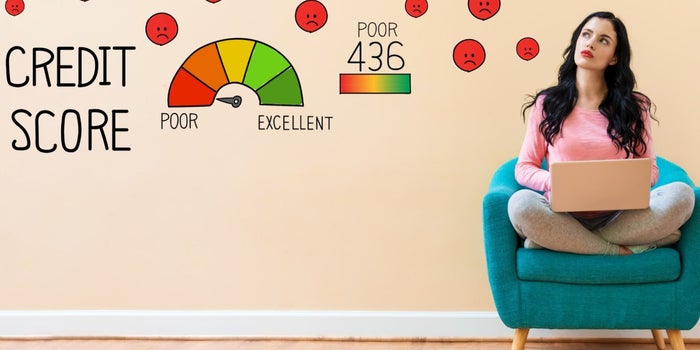
Many people associate credit scores only with borrowing money. In reality, credit scores affect several everyday financial opportunities.
Credit scores often influence:
- Mortgage approval decisions
- Apartment rental eligibility
- Auto loan interest rates
- Credit card offers
- Insurance pricing in some regions
- Utility service deposits
Understanding how scores work encourages people to build habits that support stronger financial outcomes.
Higher credit literacy helps individuals recognize which behaviors improve scores and which actions weaken them.
How Credit Literacy Builds Confidence in Borrowing Decisions
Borrowing is not always harmful. In many cases, it helps people reach important life goals such as education, transportation, or home ownership.
Credit literacy helps individuals evaluate borrowing decisions more carefully by teaching them how to:
- Compare interest rates accurately
- Identify hidden fees
- Understand repayment timelines
- Calculate long-term borrowing cost
- Choose the right type of credit product
This knowledge prevents impulsive decisions that lead to financial strain later.
Instead of avoiding credit entirely or using it without strategy, credit-literate individuals use it intentionally.
The Role of Payment History in Financial Stability
Payment history is one of the most influential factors affecting credit health. Even small delays in payments can have long-term effects if they become frequent.
Credit literacy helps individuals understand the importance of:
- Paying bills on time consistently
- Setting reminders or automatic payments
- Tracking due dates carefully
- Prioritizing essential obligations first
When people manage payment schedules effectively, they reduce both stress and financial penalties.
Reliable payment habits also create stronger relationships with lenders over time.
Understanding Interest Rates Prevents Costly Mistakes
Interest rates determine how much borrowing truly costs. Without credit literacy, many people focus only on monthly payment size instead of total repayment amount.
Credit-aware individuals learn to:
- Compare fixed and variable rates
- Recognize high-cost borrowing options
- Understand compound interest impact
- Estimate long-term repayment totals
This knowledge helps prevent situations where manageable monthly payments hide expensive long-term obligations.
As a result, individuals maintain better control over their budgets.
Credit Literacy Encourages Smarter Credit Card Use
Credit cards are useful tools when used responsibly. However, misunderstanding how they work often leads to unnecessary debt accumulation.
Credit literacy teaches people how to:
- Keep balances manageable
- Avoid minimum payment traps
- Track spending accurately
- Protect credit utilization ratios
- Prevent late payment penalties
Responsible credit card use improves financial flexibility while supporting stronger credit scores.
It also creates opportunities for better borrowing options in the future.
How Credit Awareness Supports Emergency Preparedness
Unexpected expenses are a major source of financial anxiety. Medical costs, repairs, or sudden travel needs can disrupt even stable budgets.
Credit literacy helps individuals prepare by:
- Maintaining access to responsible credit options
- Understanding emergency borrowing alternatives
- Avoiding high-cost short-term loans
- Building repayment strategies before borrowing
Preparation reduces the emotional pressure associated with urgent financial decisions.
Instead of reacting impulsively, individuals respond with planning and confidence.
The Connection Between Credit Literacy and Budgeting
Budgeting becomes more effective when people understand how credit affects spending patterns.
Credit-literate individuals are more likely to:
- Track monthly obligations accurately
- Recognize debt-to-income limits
- Allocate funds toward repayment goals
- Avoid unnecessary borrowing
- Maintain stronger savings habits
Credit knowledge strengthens budgeting because it reveals the true cost of financial choices.
This awareness supports better long-term planning.
How Credit Literacy Improves Long-Term Financial Opportunities
Strong credit literacy contributes to better opportunities across many areas of life.
These advantages may include:
- Lower borrowing costs over time
- Greater housing flexibility
- Easier access to business financing
- Improved negotiating power with lenders
- Increased financial independence
Understanding credit systems allows individuals to position themselves for future stability rather than reacting to short-term challenges.
Financial confidence grows when people understand how their decisions influence future outcomes.
Credit Literacy Strengthens Financial Communication Within Families
Money decisions often affect entire households. When one family member lacks credit awareness, it can create tension or confusion across shared responsibilities.
Credit literacy supports better communication by helping families:
- Set shared borrowing expectations
- Plan major purchases together
- Understand repayment responsibilities
- Avoid hidden debt surprises
- Align financial goals more clearly
Open conversations supported by knowledge reduce misunderstandings and strengthen trust.
Financial clarity benefits everyone involved.
Small Credit Habits That Reduce Stress Quickly
Improving credit literacy does not require dramatic changes. Small adjustments often produce meaningful results over time.
Helpful habits include:
- Reviewing credit reports regularly
- Paying at least the full minimum payment on time
- Limiting unnecessary credit applications
- Monitoring account balances frequently
- Keeping older accounts active when appropriate
These steps build stronger financial confidence while reducing uncertainty.
Consistency matters more than perfection.
How Employers and Communities Benefit From Credit-Literate Individuals
Credit literacy does not only benefit individuals. It also supports stronger communities and workplaces.
Credit-aware individuals are more likely to:
- Maintain stable housing
- Handle emergencies responsibly
- Avoid high-risk financial decisions
- Participate in long-term planning
- Support local economic activity
Communities with higher financial literacy levels often experience greater economic stability overall.
Personal credit awareness contributes to broader financial resilience.
Conclusion
Credit literacy is one of the most practical tools for reducing financial stress and improving everyday decision-making. It helps individuals understand borrowing options, manage repayment responsibly, and prepare for unexpected expenses with confidence.
When people understand how credit works, they make smarter choices about spending, saving, and planning for the future. Over time, this knowledge supports stronger financial stability and greater independence.
Credit literacy does not eliminate financial challenges entirely, but it transforms how people respond to them. Instead of uncertainty and stress, individuals gain clarity, confidence, and control over their financial lives.
Frequently Asked Questions
How often should someone check their credit report
Checking a credit report at least once per year helps individuals monitor accuracy and identify potential identity issues early.
Can closing unused credit cards improve credit health
Closing unused accounts may reduce available credit and sometimes lower scores, so decisions should be made carefully based on overall credit utilization.
Does income affect credit scores directly
Income does not directly impact credit scores, but it influences borrowing capacity and repayment ability evaluated by lenders.
Is it better to pay off debt quickly or maintain a payment history over time
Paying debt responsibly and consistently is important. Maintaining a positive payment record while reducing balances gradually supports strong credit outcomes.
How long do late payments affect credit reports
Late payments can remain on credit reports for several years, although their impact decreases over time with consistent positive behavior.
Can someone rebuild credit after serious financial mistakes
Yes, rebuilding credit is possible through consistent payments, responsible credit use, and careful monitoring over time.
Do debit card transactions influence credit scores
Debit card activity does not affect credit scores because it uses existing funds instead of borrowed money.